
About snares
Silent killers in the bush
Snares fly under the radar and wreak havoc. Here is what they are, and what to do if you come across one.
If you find a snare
- 1
Keep your distance from a trapped animal
Even a small animal can be dangerous when it is injured and frightened. Do not try to free it yourself. Contact the relevant authorities or a wildlife rehabilitation centre.
- 2
Record exactly where it is
Finding a snare without a precise location is like finding a needle in a haystack. Drop a pin or take a photo with location turned on.
- 3
Tell us privately
Send us a private message with what you saw and where. Please do not post locations publicly. All information is treated confidentially.
Understanding snares
A snare is a noose set to catch an animal by the neck, body or leg. It is one of the simplest traps there is: a loop that tightens as the animal pulls against it, and keeps tightening the harder it struggles.
Anything that can be formed into a noose: fencing wire, steel cable, rope, nylon, twine or strapping. Poachers use whatever is to hand. After the 2021 unrest in Durban we began finding snares made from the security cables used in electronics shops.
Snares are placed where animals are sure to pass: along game paths, at gaps in fences and thick bush, and on the way to water. The loop is propped open at the height of the animal being targeted, and the other end is tied to a tree or to a heavy drag stick. Each poacher has a signature way of setting up, which helps us link snares to the same person.
Snares are cheap, silent and easy to hide, and they do not choose their victims. Animals caught in them suffer slow and agonising deaths. Those that break free often carry the wire with them, cutting deeper as they move. A single poacher can set dozens of snares and will not return to all of them, so many animals are simply left to rot.
In KwaZulu-Natal’s urban greenbelts snares catch bushbuck, duiker, bushpig, cane rats, genets, mongoose, porcupine and monkeys, as well as domestic dogs and cats. On reserves the same wire maims and kills far larger animals, whatever the poacher was hoping to catch.
No. Much of our work is in greenbelts and conservancies in and around towns and suburbs. Urban snares are often smaller and set closer to the ground for smaller animals, which is why pets are caught in them so often.
Some snaring is for the pot, but much of what we find is commercial: organised poachers working the same routes week after week to supply the bushmeat trade. We have tracked individuals who have been active in the same areas for years.
Every snare is recorded by location and type before it leaves the bush. Over time that record shows us the hotspots, the patterns and the trends, and tells us where to look next.
What to look for
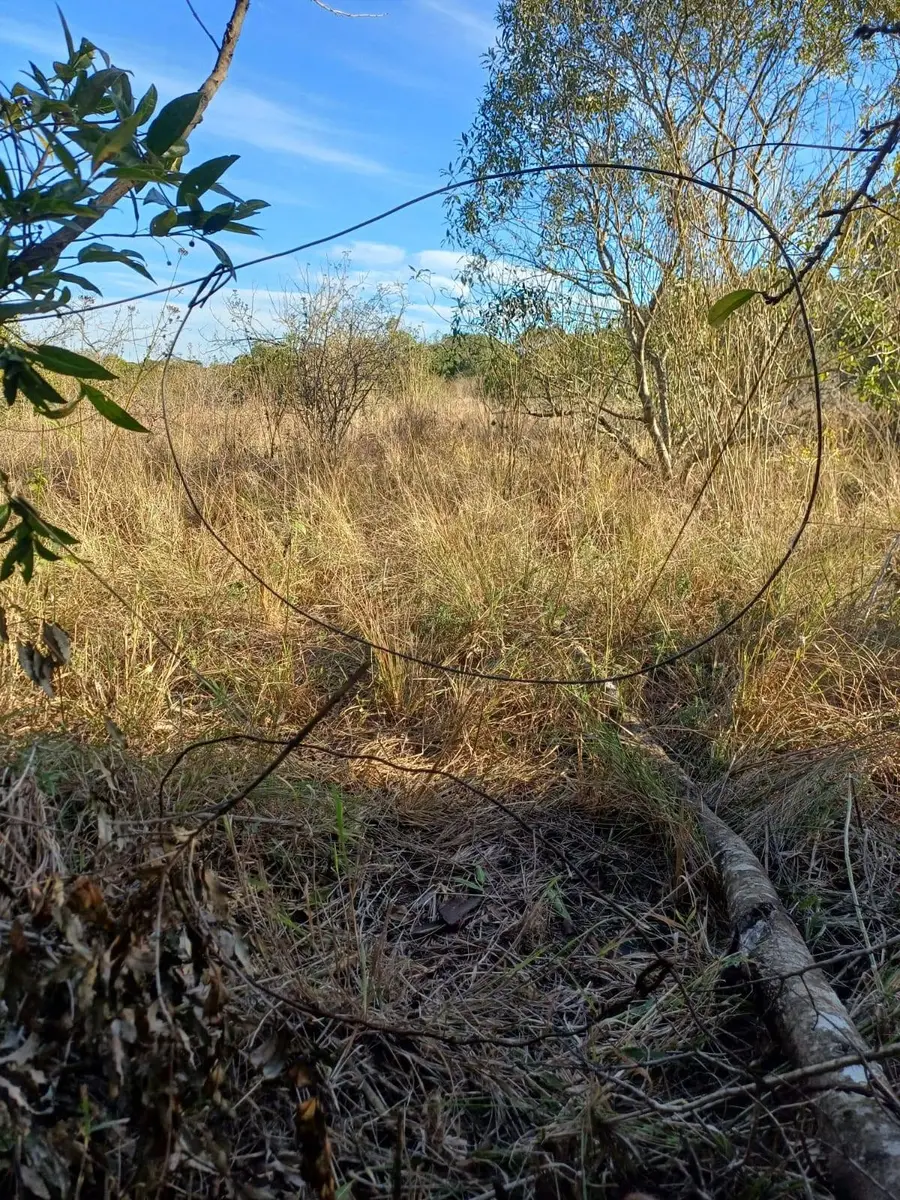
A set snare. The wire loop is almost invisible until you are on top of it. 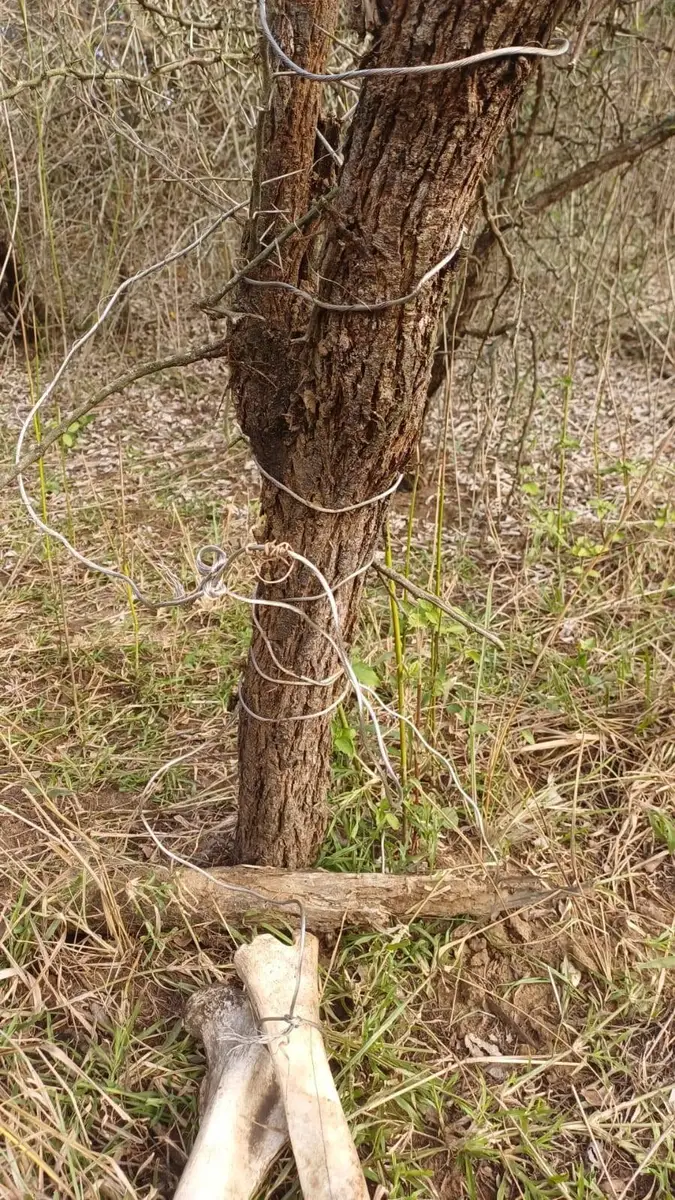
Snare wire wound around a trunk, with a large bone used as a drag stick. 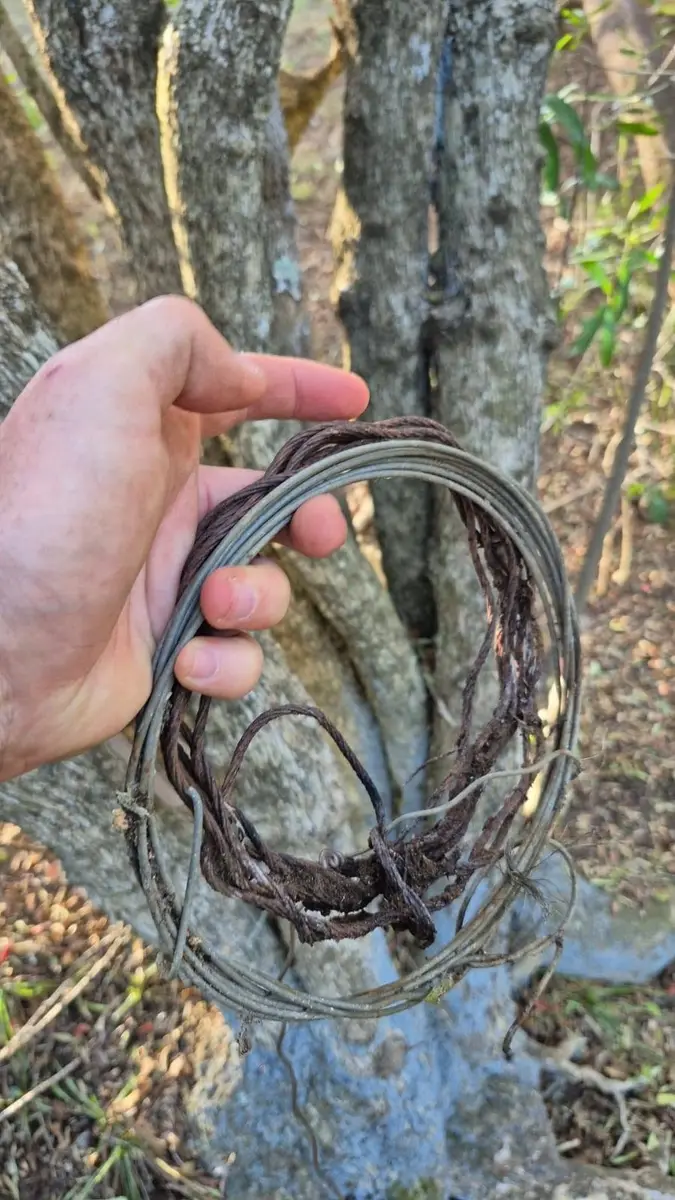
Wire and cable snares cut down and coiled for removal.
What is at stake
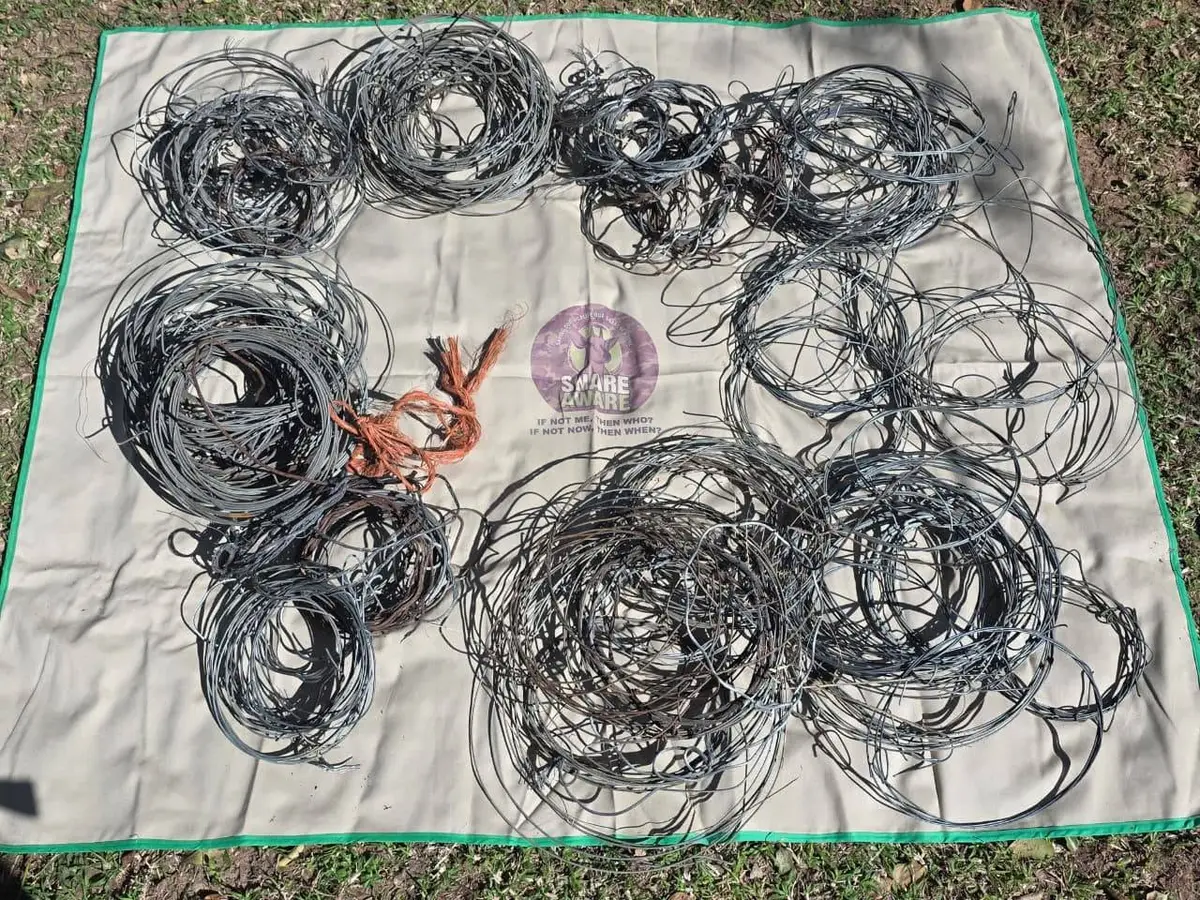
One sweep’s haul of cleared snares. 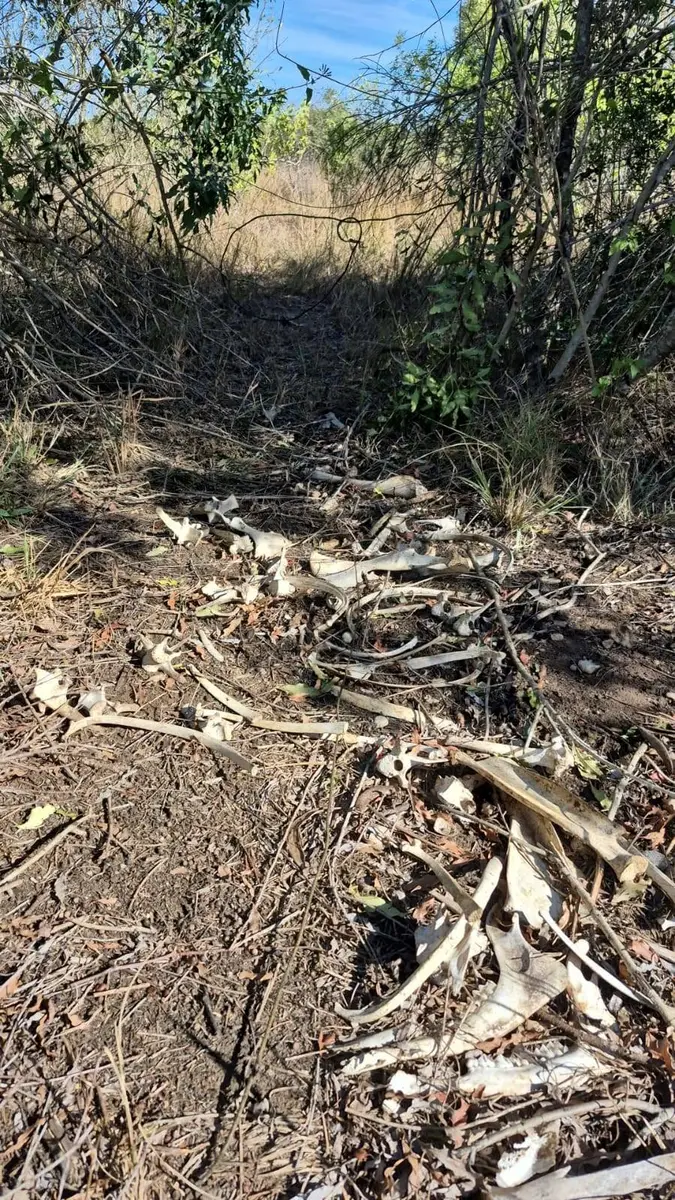
Remains found during a sweep. 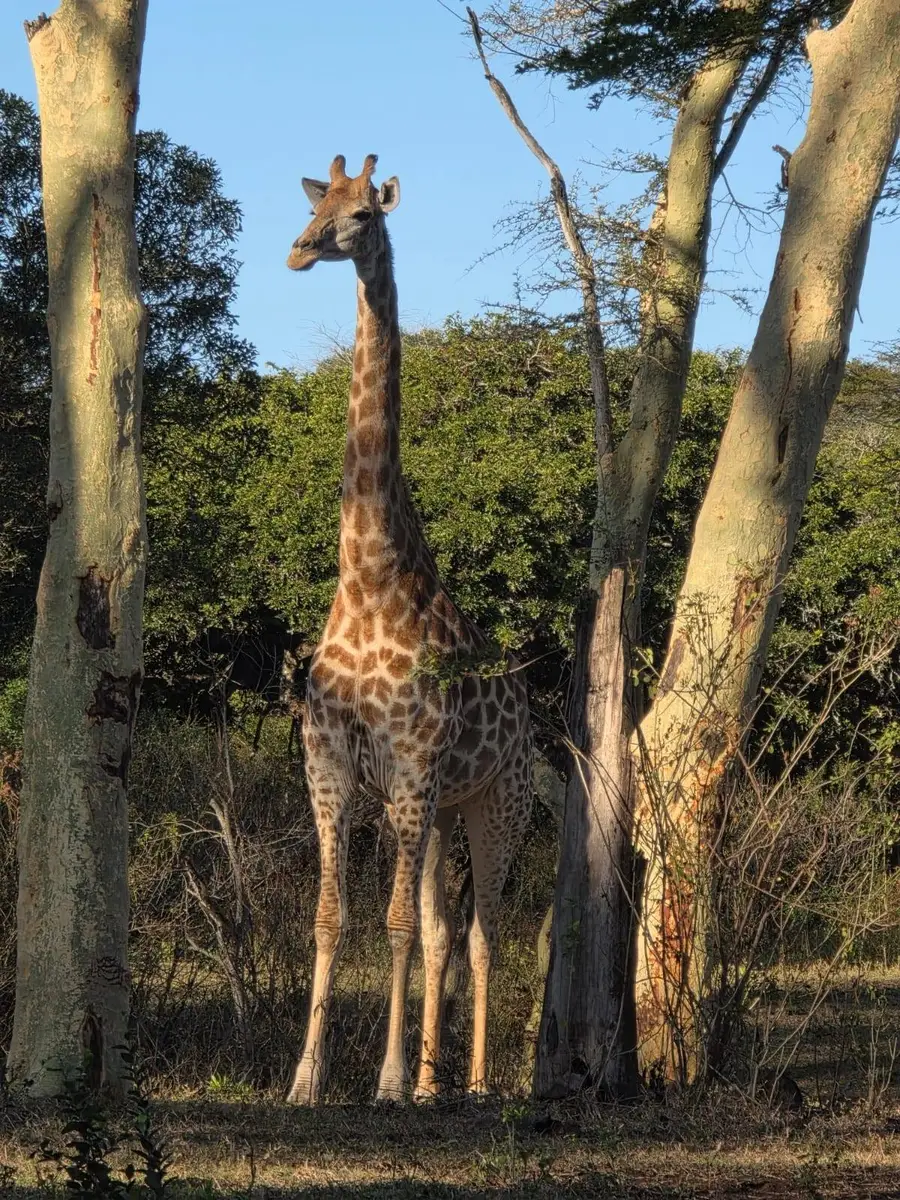
Snares do not choose their victims. 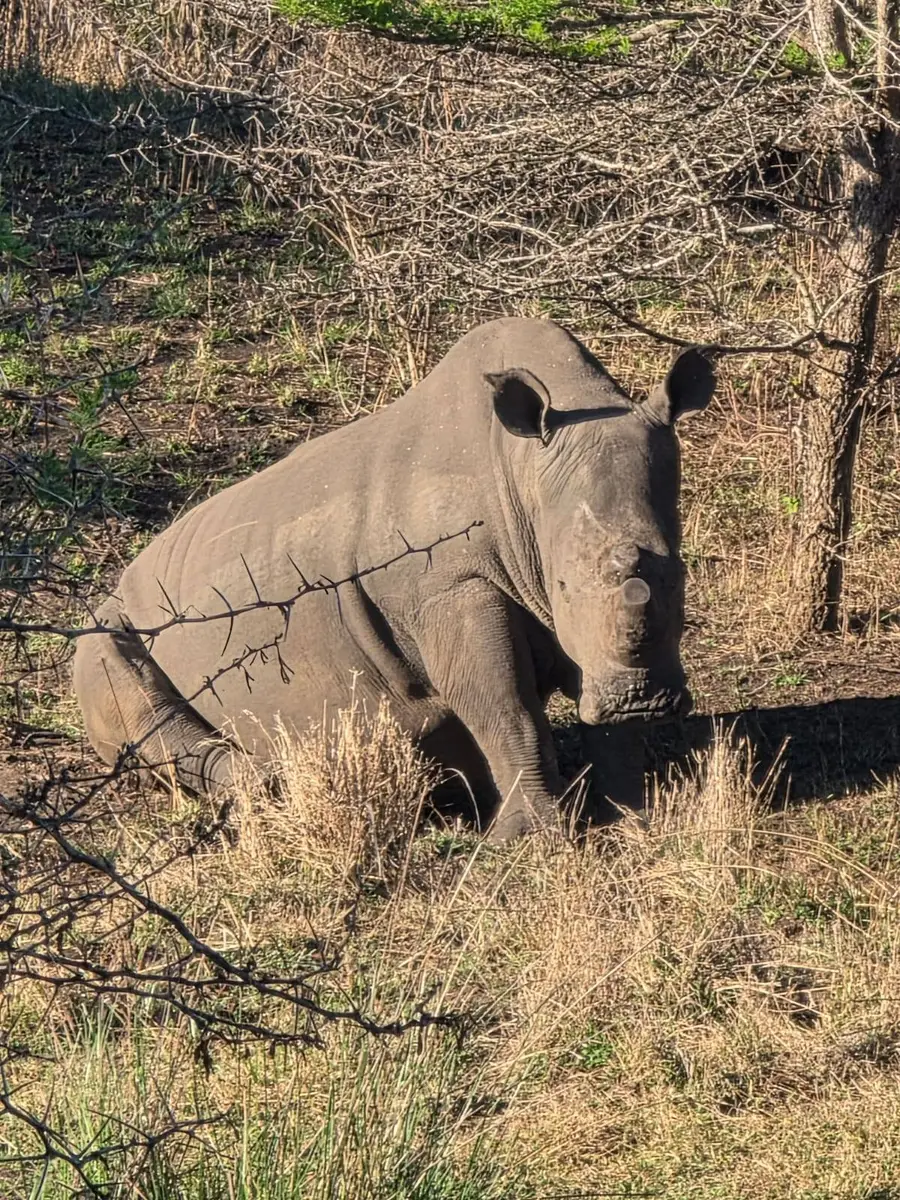
Every snare removed is a life that might be saved.